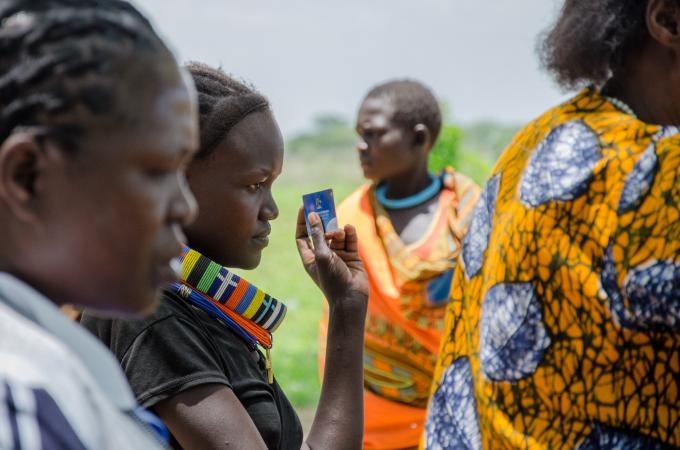

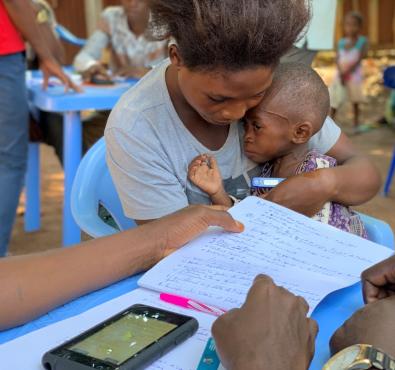
In resource-constrained operations, many humanitarian workers continue to rely on paper-based recording systems for their data gathering and analytics processes. This manual method can be inefficient and ineffective and often leads to errors such as duplication of records and difficulties in both extracting and understanding the collected information. These practices increase the risk of inclusion and exclusion errors, making it difficult to accurately target the right populations. It also hinders health workers' ability to efficiently track and monitor individuals receiving support. Overall, it impacts decision-making, affecting the development of strategies, policies, and accurate program cost estimation.
Project overview
In resource-constrained settings, paper-based nutrition records hinder data access and programme efficiency. CODA digitizes assistance programmes through a mobile app and smart card, enabling individual tracking and seamless integration with national systems. CODA enhances data quality, supports evidence-based policymaking and strengthens collaboration between WFP, UNICEF and governments. By providing insights on malnutrition and fostering data sharing, CODA advances a unified, efficient approach to nutrition programming for all stakeholders.
The challenge

CODA's solution
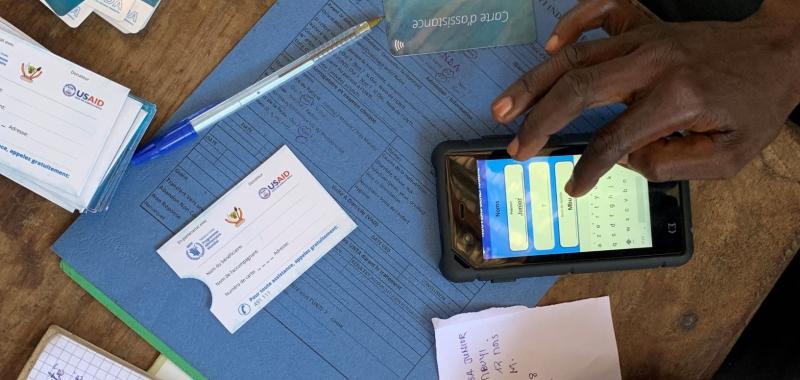
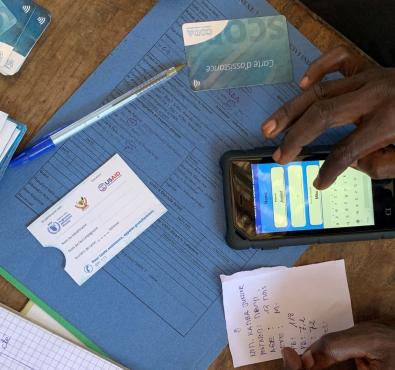
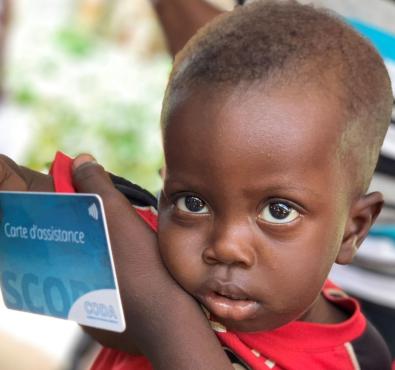
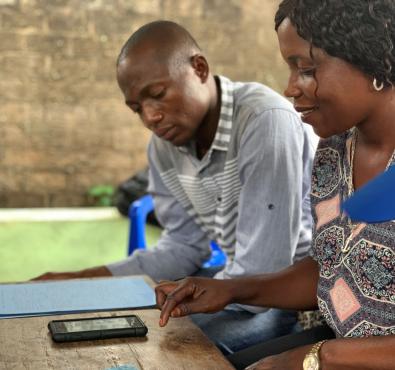
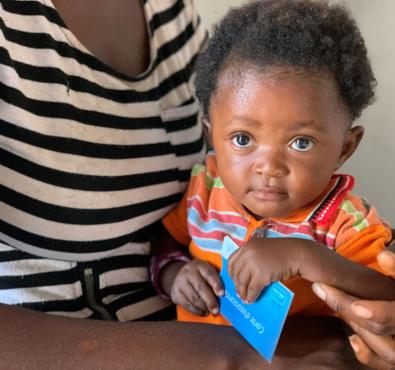
CODA digitizes assistance programmes through a mobile app and smart card. The digital data systems enable individual tracking and seamless integration with national systems. CODA enhances data quality, supports evidence-based policymaking and strengthens collaboration across stakeholders.
Built on an open-source platform, CODA is device-agnostic and integrates with various systems, eliminating redundancy and improving data management. CODA provides real-time data access, enabling informed decisions and supporting proactive malnutrition prevention, enhancing effectiveness. CODA uses decision-tree algorithms to guide health workers in following nutrition protocols, customized to each country’s context, ensuring beneficiaries receive timely support.
By streamlining data management and decision-making, CODA provides real-time data access, enabling informed decisions and supporting proactive malnutrition prevention, enhancing effectiveness. It also reduces programme costs, including treatment and record-keeping.
Results
CODA has helped WFP support the nutrition outcomes of 110,000 children and pregnant and breastfeeding women or girls enrolled in CODA.
The Integrated Management of Acute Malnutrition programmes CODA supports includes community mobilization, outpatient and inpatient care and management of moderate acute malnutrition.
CODA has also trained 550 frontline health workers, community volunteers and partners in this programme implementation.
“CODA simplifies the work and it eases our workload. It saves us time and is much faster than traditional methods."
Elizabeth Atanasia, World Vision South Sudan
Meet the team

Kassi Abdul-Latif Tuahir
Nutrition Digital Innovations Lead, WFP HQ, Rome

Sofia Marchi
CODA Business Analyst, WFP HQ

Maurine Mategwa
Service Support, WFP HQ

Matteo Cafarotti
Solution Architect, WFP HQ, Rome

Leandro Bravo
Solution Architect, WFP HQ, Rome

Ishank Gorla
Portfolio Manager, WFP Innovation Accelerator, Munich
Last updated:
20/04/2026
Related News
25 September 2018

24 September 2018