
Emergency organizations and agencies often operate in silos, meaning that essential information, resources and expertise become isolated. As a result, inefficiencies and duplicated efforts impede timely and comprehensive aid delivery, slow sector-wide progress and ultimately exacerbate the negative impacts of crises on affected populations

The challenge
The solution
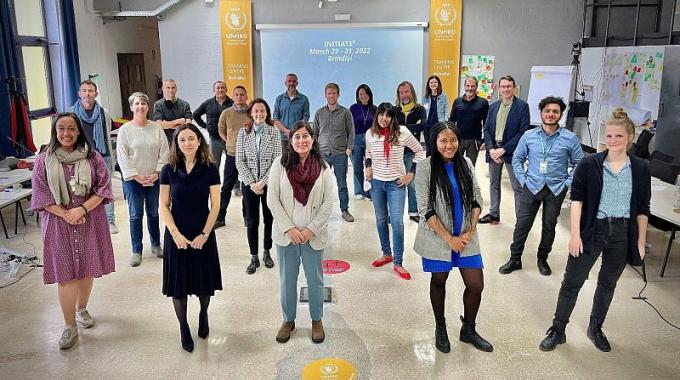
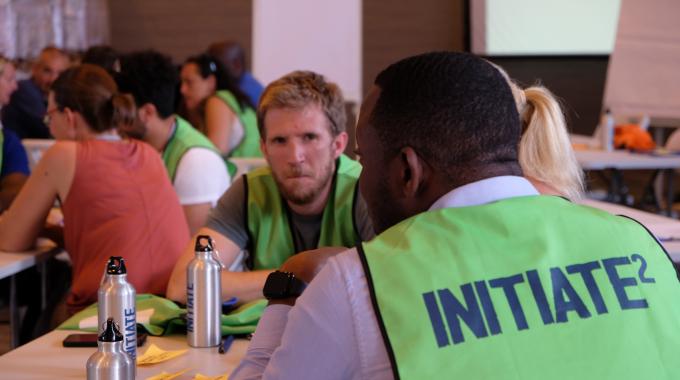
The INITIATE project brings together global partners to promote knowledge sharing and skill transfers for an improved emergency response to health crises. Together, they design and develop innovative solutions for tackling health emergencies, including the preparedness and response to outbreaks of infectious disease.
INITIATE is co-managed by WFP and WHO and hosted by the United Nations Humanitarian Response Depot (UNHRD) in Brindisi. It aims to bring together global partners to promote knowledge sharing and skill transfers for an improved emergency response to health crises. The collaboration’s first innovation, an infectious disease treatment module, allows stakeholders to rapidly deploy and run treatment centers in the field when an outbreak emerges.
INITIATE is based on two interconnected workstreams: technical innovation for the design and development of standardized technical solutions and training and simulation for the development of standardized procedures and response capacity.
As the convenors of the initiative, WFP and WHO have developed the project governance structures, provided technical expertise and engaged key partners. The WFP Innovation Accelerator supported the inter-agency project management team by promoting the end-to-end human-centered collective design process. From facilitating workshops to advancing the overall vision and capturing key learning, the WFP Innovation Accelerator’s role has been key to progressing this initiative.
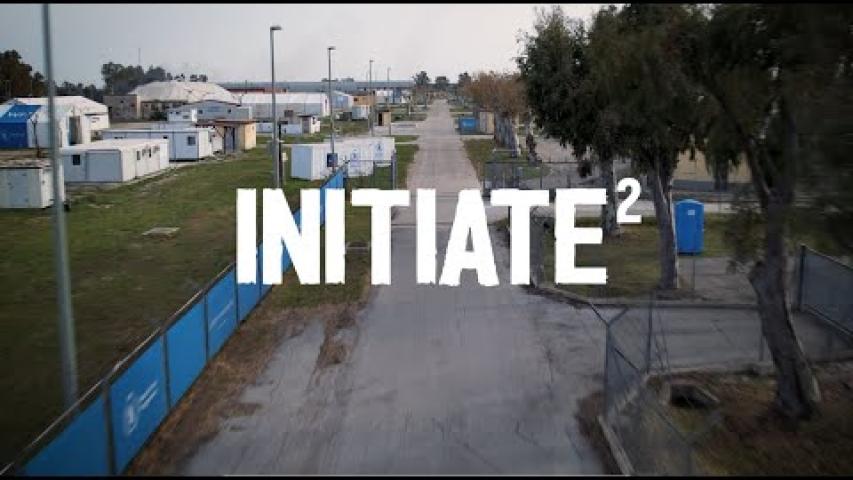
Designing the future of pandemic emergency response
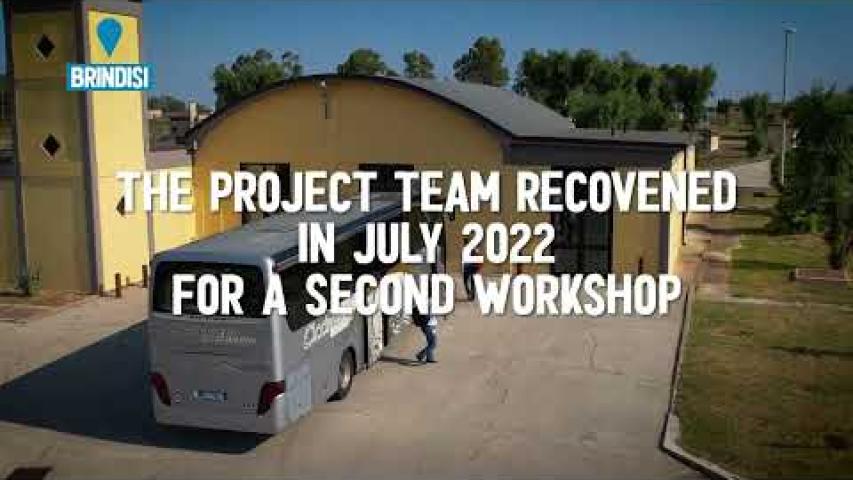
Identifying the best components of the infectious disease treatment module
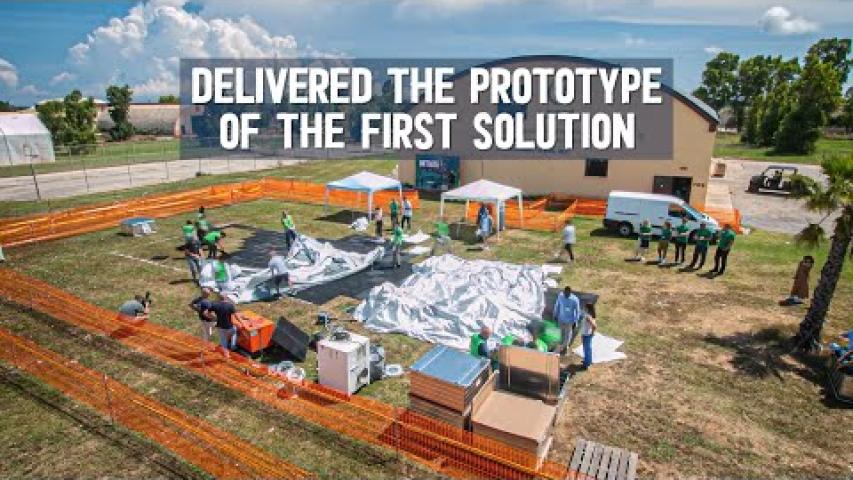
Delivering and testing the infectious disease treatment module prototype
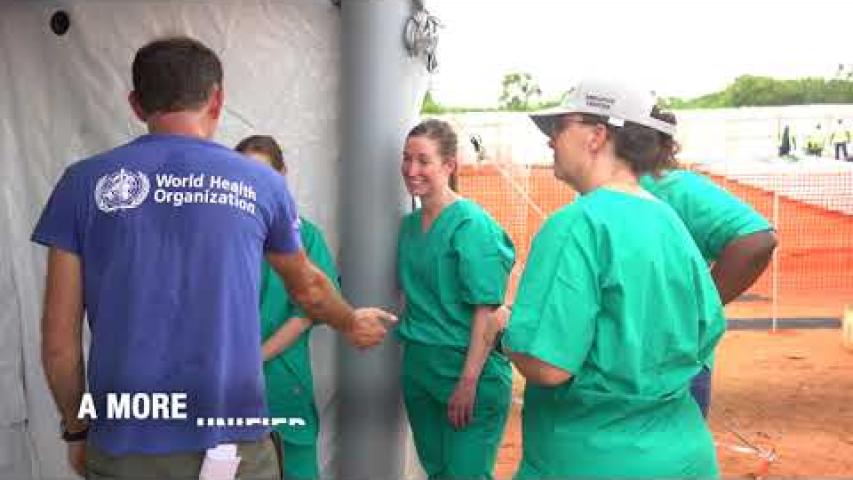
Emergencies preparedness: Full-scale Ebola treatment simulation exercise
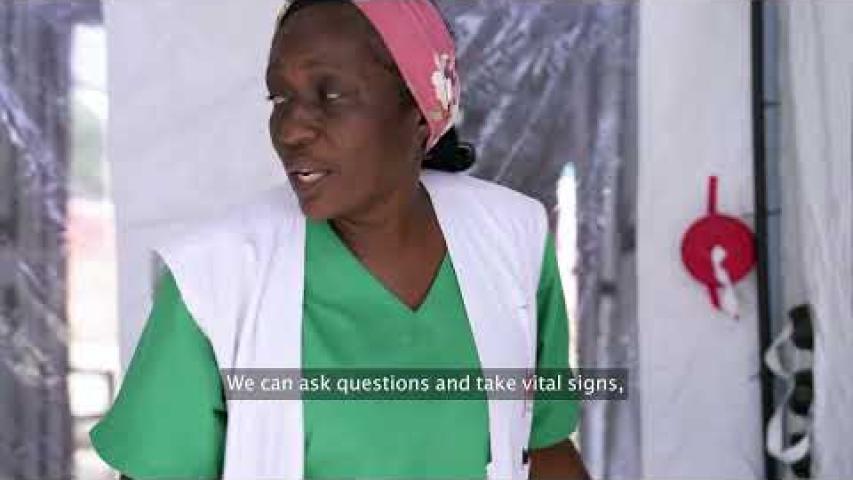
INITIATE supports the Ebola response in DRC
INITIATE'S first deployment
After several years of collaborative design, the INITIATE module was successfully deployed in the 2025 Ebola outbreak in Kasai, Democratic Republic of the Congo and treated 14 people. The full 32-bed treatment centre was set up in just ten days and is designed to ensure high standards of infection prevention and control for the safety of both patients and health care workers.
Our contribution
The WFP Innovation Accelerator drove the collaborative design approach amongst the INTIATE partners from 2021-2024. The initiative continues on and successfully reached its first deployment in autumn 2025.
In 2024, the partners came together again to test the final prototype of the infectious disease treatment module. The WFP Innovation Accelerator designed and delivered a five-day full-scale infectious outbreak simulation in Accra, Ghana, with over 150 participants to reach a final consensus on the design of the module.
The workshop was a culmination of several years of designing, improving and testing the module, including a June 2023 prototyping workshop at the UNHRD base in Brindisi, Italy. Throughout the process, various partners expressed the game-changing potential of this module for medical workers in emergency response to infectious diseases, and that it was the first time that many of them had worked in such a collaborative manner.