

When an emergency strikes, WFP can take up to 6 months to respond through with cash-based assistance, in places where there are no pre-existing arrangements. This instinctively discards cash-based responses as a viable modalities, leading humanitarian actors to revert to more timely and costly solutions. Existing payment solutions are also inaccessible to unbanked population, due to lack of compliance with KYC (Know Your Customer) requirements.
The challenge
The solution
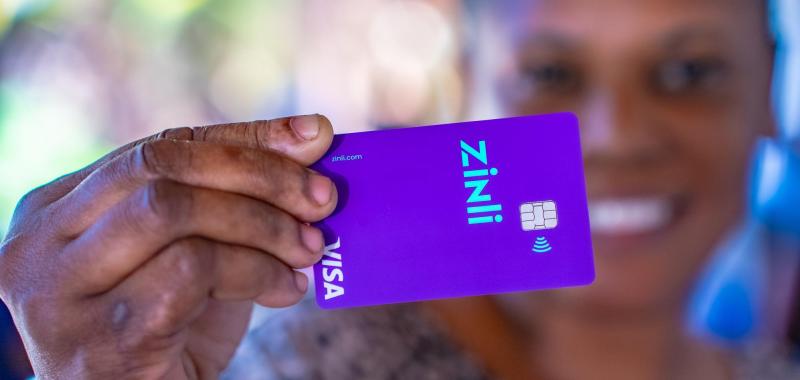
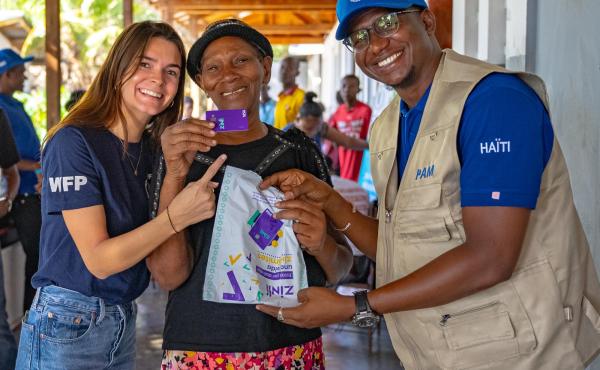
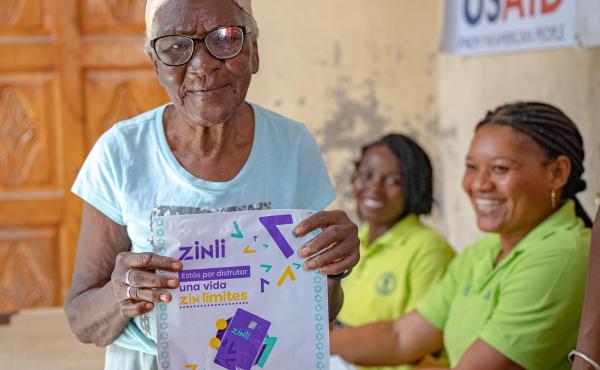
Rescue Card is a prepaid, reloadable, pre-configured electronic VISA card linked to WFP corporate digital wallet, aiming to provide immediate assistance (72 hours response) to marginalized groups, such as unbanked population. It is a solution with flexible KYC requirements that reduces lengthy cash-based transfer (CBT) contracting processes and avails the retail sector to beneficiaries.
Results
In 2025, Rescue Card reached over 88,000 people across five countries, helping 10,000 households meet their essential needs. In terms of time savings, WFP country offices saved up to 24 months in delivering cash assistance. Rescue Card also achieved an average of 70-85 percent operational cost savings within the first three months of an emergency operation. So far, Rescue Card has saved USD 1.4 million in cost savings.
Once delivered, cards are active and uploading them takes a few minutes.
In 2024, Rescue Card reached 26,366 people across Haiti, Peru, and Bolivia, helping 10,470 households meet their essential needs. Notably, 56 percent to 68 percent of the cash assistance was directly distributed into the hands of women, with 80 percent of the funds used to address food-related needs.
Additionally, 5,000 prepaid Rescue Cards were prepositioned in Barbados to support emergency preparedness for Hurricane Beryl, enhancing WFP’s readiness for rapid response.
Last updated:
01/10/2026