


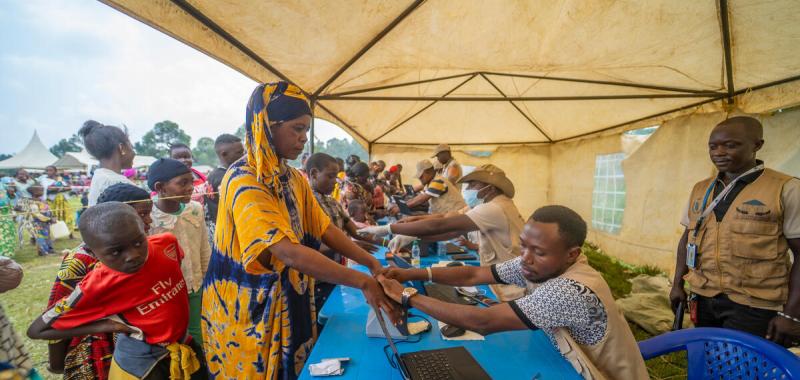
Humanitarian operations generate massive volumes of registration and transaction data, often captured under pressure and in rapidly changing environments. Inconsistent formats, manual data entry and limited visibility make it difficult to spot irregularities, detect fraud or identify operational errors early. As a result, resources risk being misallocated and programme teams spend significant time on manual reviews instead of serving communities.
Project overview
Anomaly Detection for Assistance Delivery (ADAD) uses artificial intelligence (AI) to identify data anomalies during the delivery of humanitarian assistance. This technology addresses the challenges in detecting irregularities during beneficiary registration and cash-based transfers, ensuring we are effectively reaching the people we serve.
The project is developed as part of the Strategic AI Partnership for Humanitarian Actions between the World Food Programme (WFP), CERN, the Luxembourg Institute of Science and Technology (LIST) and the Government of Luxembourg.
The challenge
The solution
ADAD uses advanced machine learning to automatically detect unusual patterns across registration data and cash transactions. These models uncover both known and previously unseen anomalies, ranging from inflated household sizes to recycled identities, while prioritizing privacy, explainability and human oversight. This leads to faster, more accurate and more accountable decision-making across WFP.
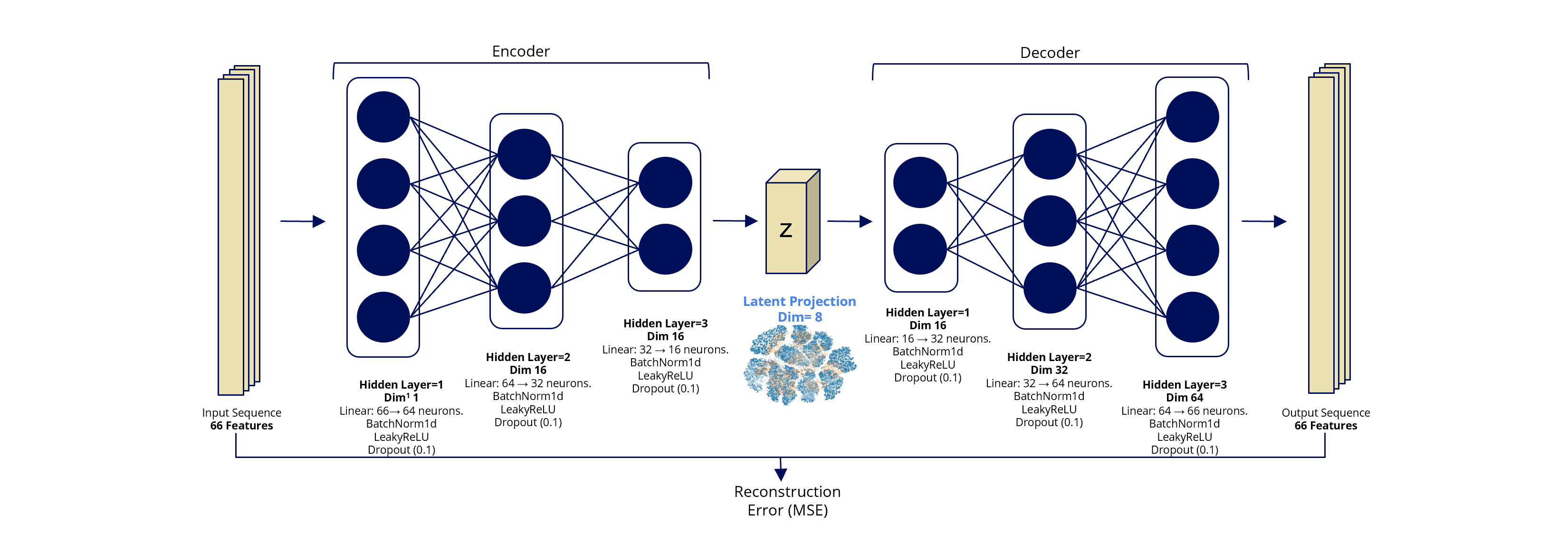
ADAD uses a state-of-the-art contractive architecture, developed by CERN. Just as CERN uses advanced algorithms to sift through data at the Large Hadron Collider to find rare, new particles, ADAD is now using that same power to protect humanitarian aid. Instead of physics data, the AI learns typical household delivery patterns. This allows WFP to spot unforeseen irregularities and suspicious outliers without knowing exactly what to look for beforehand.
Results
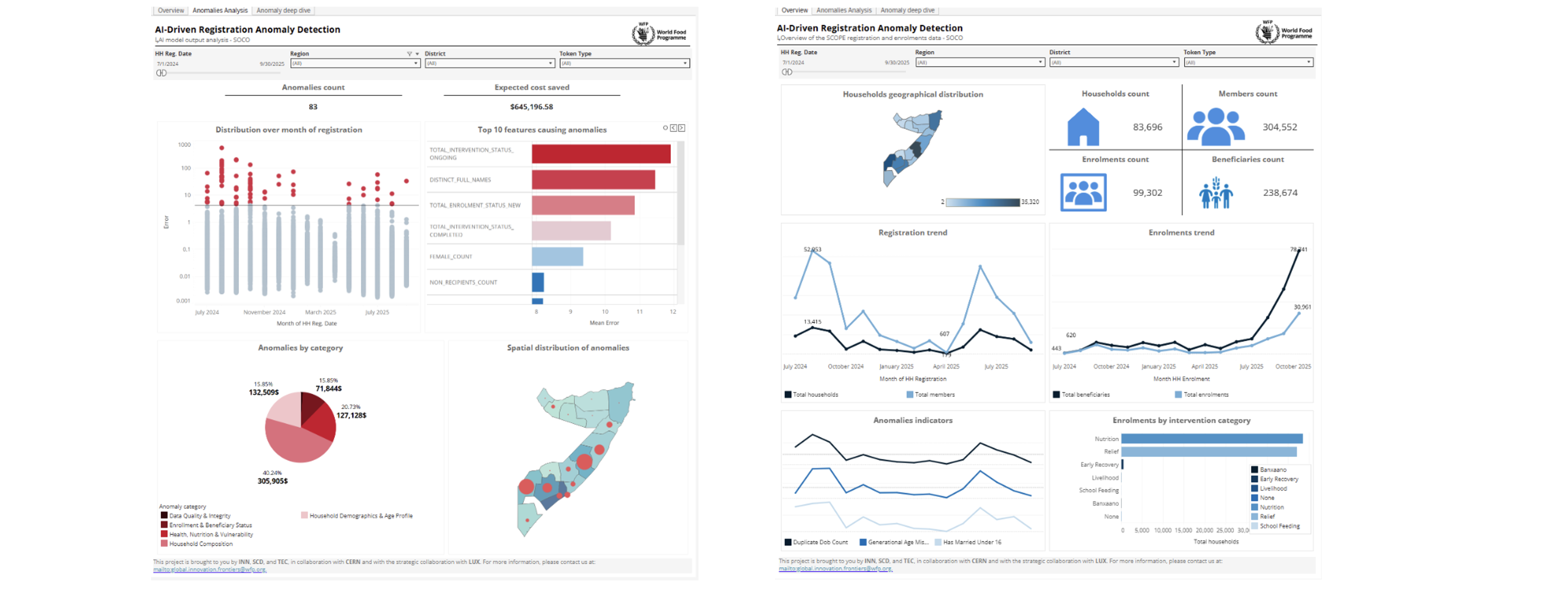
In 2025, the ADAD project team presented a minimum viable product for the beneficiary registration operations use case. The team validated the model performance with test data from WFP Somalia, where ADAD analysed the data from more than 500,000 registered beneficiaries and identified anomalies with a financial exposure of approximately USD 1.7 million. The solution was able to shorten analysis time from 2 weeks to 5 minutes.
ADAD's dashboard provides a comprehensive overview of the registration data of a WFP country office, as well as a deep-dive into the anomalies and financial exposure. The tool flags anomalies for review but never makes automated decisions regarding beneficiaries.
Following this, the team will conduct an extended pilot in Somalia to gather further insights on impact before the project expands to transaction data.
Meet the team

Mahithi Barathesh
Identity Management Team Lead, WFP

Servet Avci
Programme Policy Officer, WFP

Kush Thaker
Programme Policy Officer, WFP

Carmen Misa Moreira
AI Expert, CERN

Usman Qureshi
AI Technical Solution Consultant, WFP

Johannes Schade
AI & ML Project Manager, WFP
Last updated:
20/04/2026