
Project overview

WFP is scaling up a Post-Harvest Loss Reduction programme that sells low-cost, locally-produced silos and provides training to smallholder farmers in developing countries.

The Post-Harvest Loss Ventures (PHLV) initiative is dedicated to promoting the adoption of advanced post-harvest loss management technologies among smallholder farmers. Through innovative business models, PHLV enhances the commercial viability of value chain actors while improving farmers' access to these critical technologies.

The initiative focuses on fostering adoption and building demand for a sustainable market by developing innovative solutions at key entry points in the food value chain. These include streamlined equipment distribution, cost-effective extension services, digital data management, micro-financing for agricultural inputs and storage and empowering farmer groups for collective ownership of post-harvest equipment. 

The Problem

Global food production has reached a record high in recent years; however, one third of all food produced for human consumption is lost or wasted, equivalent to 1.3 billion tons. Post-harvest food loss is a leading cause of food insecurity for millions families across the world. Achieving zero hunger by 2030 will require that no more food is lost or wasted.

By preventing post-harvest losses in food systems, we can increase the availability of food worldwide without requiring additional resources or placing additional burden on the environment. Food losses happen at every stage of the supply chain, as commodities become damaged, spoiled or lost while harvested, handled, processed, stored and transported. These losses are most significant in developing countries.

Post-harvest losses have significant nutritional, health, and financial impacts for both consumers and farmers, disproportionately affecting women, who are largely responsible for managing post-harvest drying, cleaning, and storage. For rural families, many of whom already live on the edge of hunger, lost food means lost land, water, fertilizer and income for those who can least afford it. Lost food also deprives farmers of the opportunity to grow and strengthen their businesses. 

In some developing countries, smallholder farmers regularly lose 40 percent of their harvest due to inadequate storage. Consequently,  many farmers sell their produce immediately after harvest—at a time when prices are low due to high supply – only to buy back the same produce later at increased prices


Reducing Losses by up to 98%

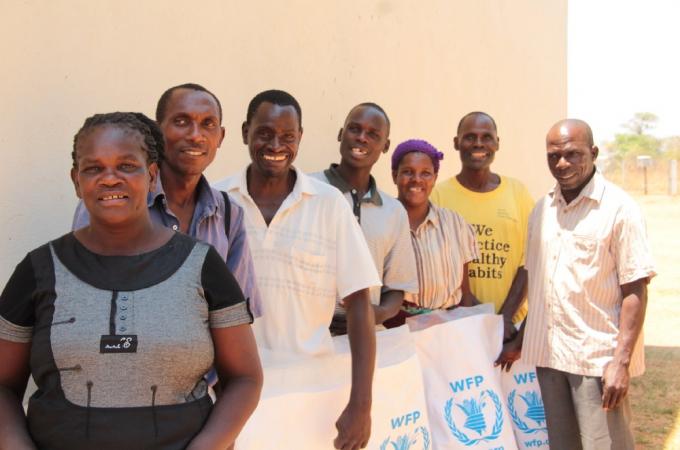
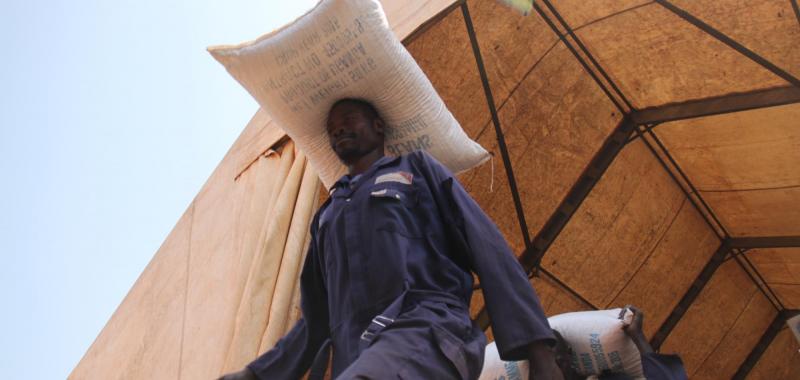
With support of the Innovation Accelerator, WFP is training smallholder farmers on how to use improved post-harvest handling methods, combined with simple but effective hermetic storage equipment. The equipment—which is subsidized—is both air and water tight, helping to guard against insects, rodents, mould, and moisture. 

Participating farmers have so far been able to reduce post-harvest losses by up to 98%. Thanks to improved grain quality and the ability to hold on to their produce until prices rise during the lean season, they have managed to increase their income threefold and therefore significantly improve food security. For most farmers, the cost of buying the new storage devices is recovered within one harvest.

Properly used hermetic household storage units have the potential to increase food availability at the household level, and enable farmers to control timing of crop sales, improving household income.

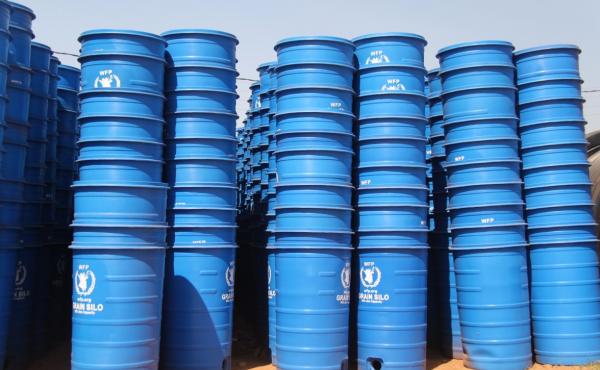
Picture: 500 Litre Capacity Plastic Silos
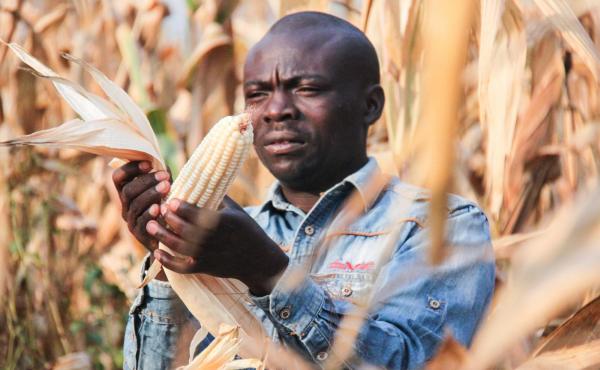
Picture: A farmer inspects his crop
The Impact

As of 2025, farmers' households implementing PHLV techniques increased their yields an average of 23.9 percent compared to 8.9 percent for those following traditional farming techniques. Similarly, their incomes rose 74 percent, compared to 42 percent of non-implementors.

In July 2024, PHLV has reached over a million people (1,000,000) in five countries. 

In Mozambique, the innovation prevented 1,416 metric tons of crop losses valued at US$447,747 by adoption of post harvest equipment like hermetic bags. Additionally, 68,668 smallholder farmers (including 33,492 women) received training on post harvest management.

Six other countries (Burkina Faso, Tanzania, Zambia, Burundi, Niger, and Rwanda) have already began rolling out the Uganda model, and seven others are in a preparation stage. In late 2017, WFP Sudan received a USD 19 million contribution to scale up operations in the next three years across the country. 

93,000
participants
98%
losses reduction
8
countries
Last updated: 19/04/2026