

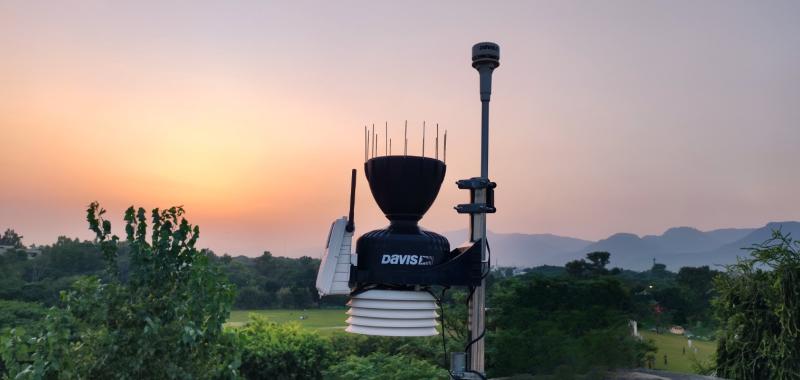
Pakistan faces frequent floods, severe monsoon rains, and heatwaves, yet nearly two million people still do not receive timely, accurate, and locally relevant weather information. Local authorities often lack effective systems for getting warnings to communities, while low smartphone ownership, limited literacy and digital skills, and the predominance of Pashto as the local language create additional barriers. When warnings do not arrive in time, the consequences can be severe. Families can lose loved ones, and farmers can lose crops and income. A major challenge is the lack of modern weather monitoring infrastructure and strong partnerships between the public and private sectors, which are common features of effective weather and disaster warning systems around the world.
Project overview
WeatherWalay is a climate intelligence platform that combines local weather stations, satellite data and AI-powered forecasting to deliver hyper-local weather alerts and agricultural advisories. It benefits vulnerable communities, farmers and road users by improving access to early warnings and actionable climate information, helping protect lives, livelihoods and strengthen climate resilience.
Weather Walay addresses these challenges through a single weather intelligence system powered by automated weather stations, satellite data, and advanced forecasting technology. The system combines highly localised weather forecasts with multiple communication channels, including SMS, digital signboards (VMS), automated voice calls, a mobile app, and social media, helping ensure that warnings reach both basic mobile phone users and smartphone owners. To make information more accessible, weather updates and alerts are available in Pashto and Urdu, while audio messages help reach people with low literacy levels or limited digital access. The same system also provides farmers with practical advice on irrigation, crop protection, and harvesting, helping protect both lives and livelihoods while strengthening resilience to climate shocks.
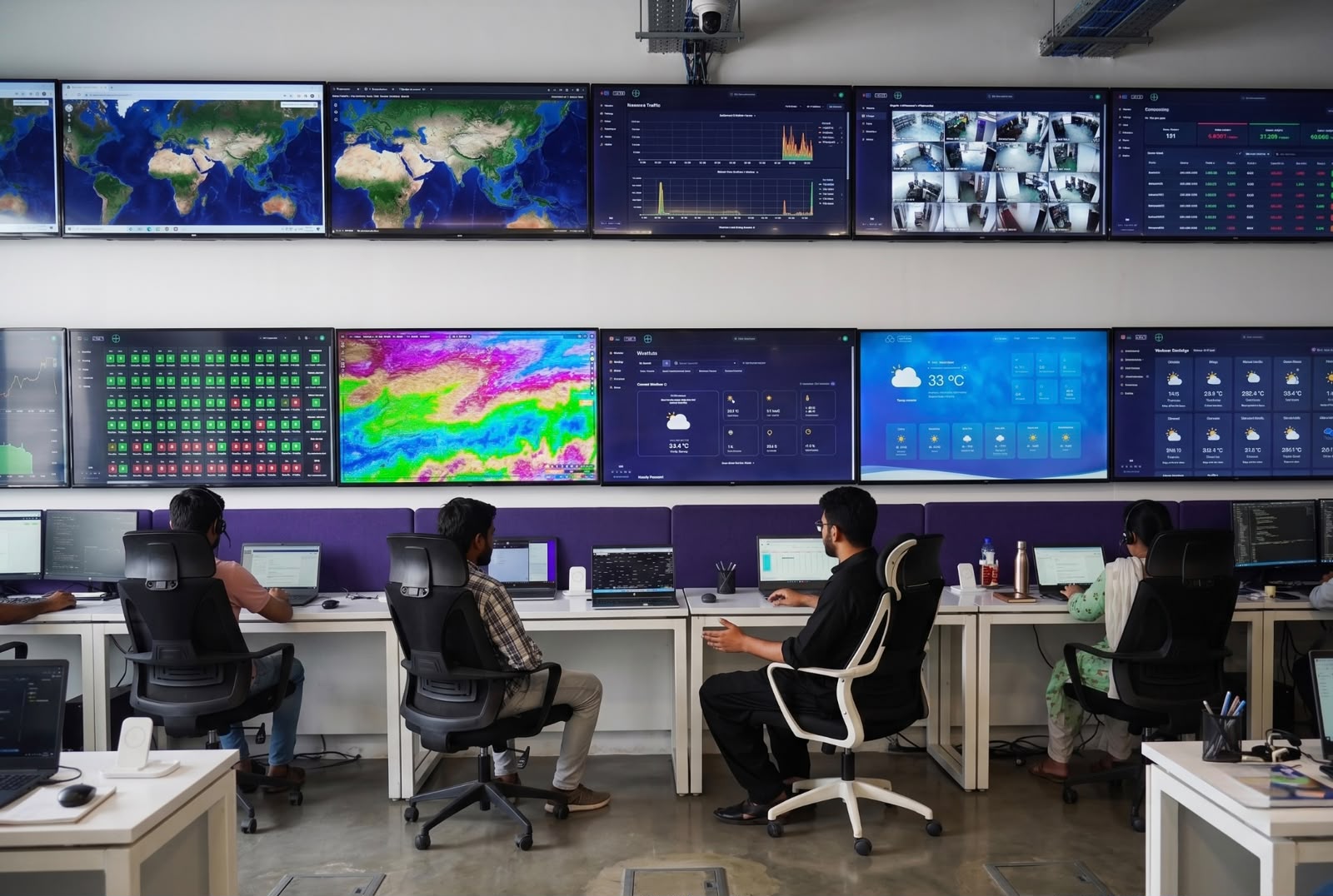
As part of the AFCIA Sprint, Weather Walay will install five automated weather stations in Nowshera, Pakistan, to improve rainfall forecasting. By refining its forecasting models, the team aims to increase the accuracy of 24 to 48-hour rainfall predictions by at least 15 percent. A shared early warning platform will enable the Provincial Disaster Management Authority (PDMA) and District Disaster Management Authority (DDMA) in Nowshera to send consistent alerts through SMS, digital signboards, mobile apps, and social media, reaching more than 2 million people. At the same time, Weather Walay's weather information and agricultural advisory service will enrol more than 30,000 users during the sprint, with a goal of reaching 100,000 users within two years. The service aims to help farmers increase seasonal profits by at least 20 percent. If successful, the initiative will provide a model that can be replicated in other flood-prone districts across Khyber Pakhtunkhwa.